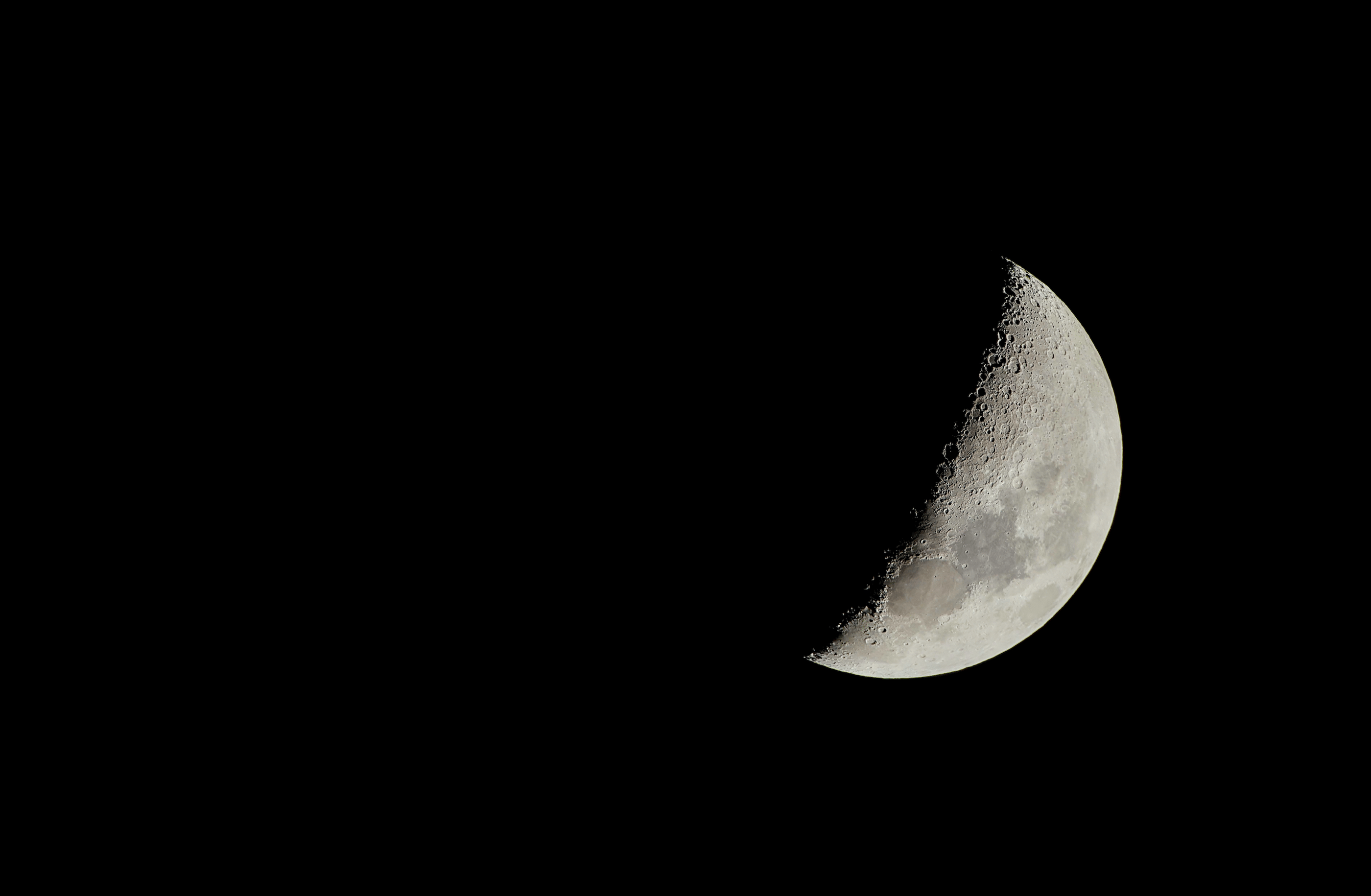
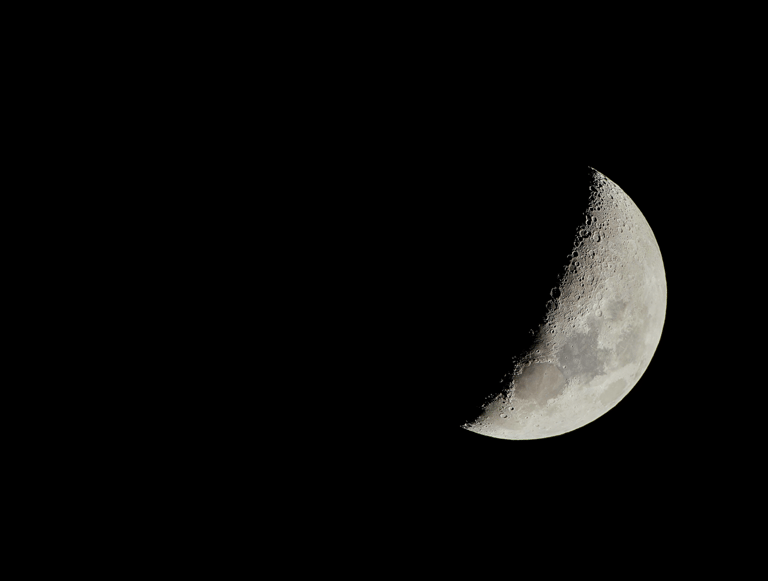
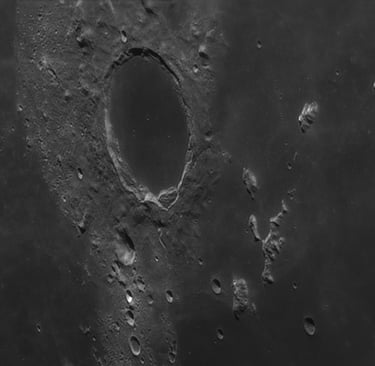
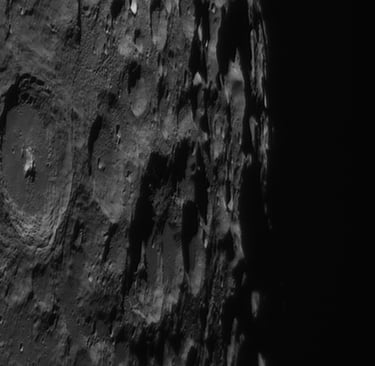
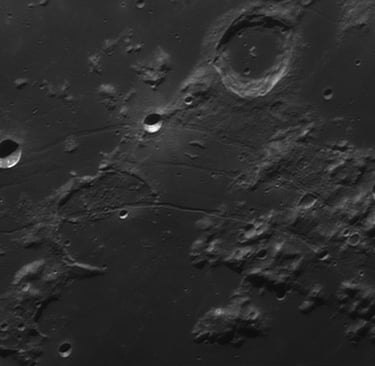
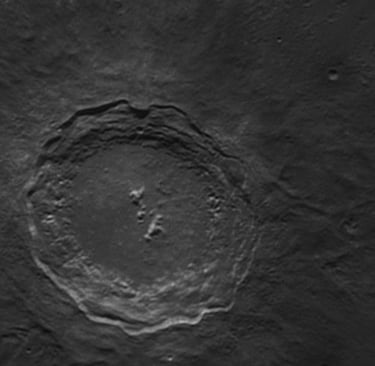
The Moon is Earth’s only natural satellite, a rocky, airless world that orbits our planet and plays a key role in shaping life on Earth. Its gravity drives the ocean tides and helps stabilize Earth’s axial tilt. Countless impact craters, preserved for billions of years due to the lack of atmosphere, record the Moon’s violent history. As it orbits Earth, the Moon goes through a regular cycle of phases, caused by changing illumination from the Sun. Observing the Moon reveals fine details such as craters, mountain ranges, and rilles—offering a clear view into the early history of the solar system.